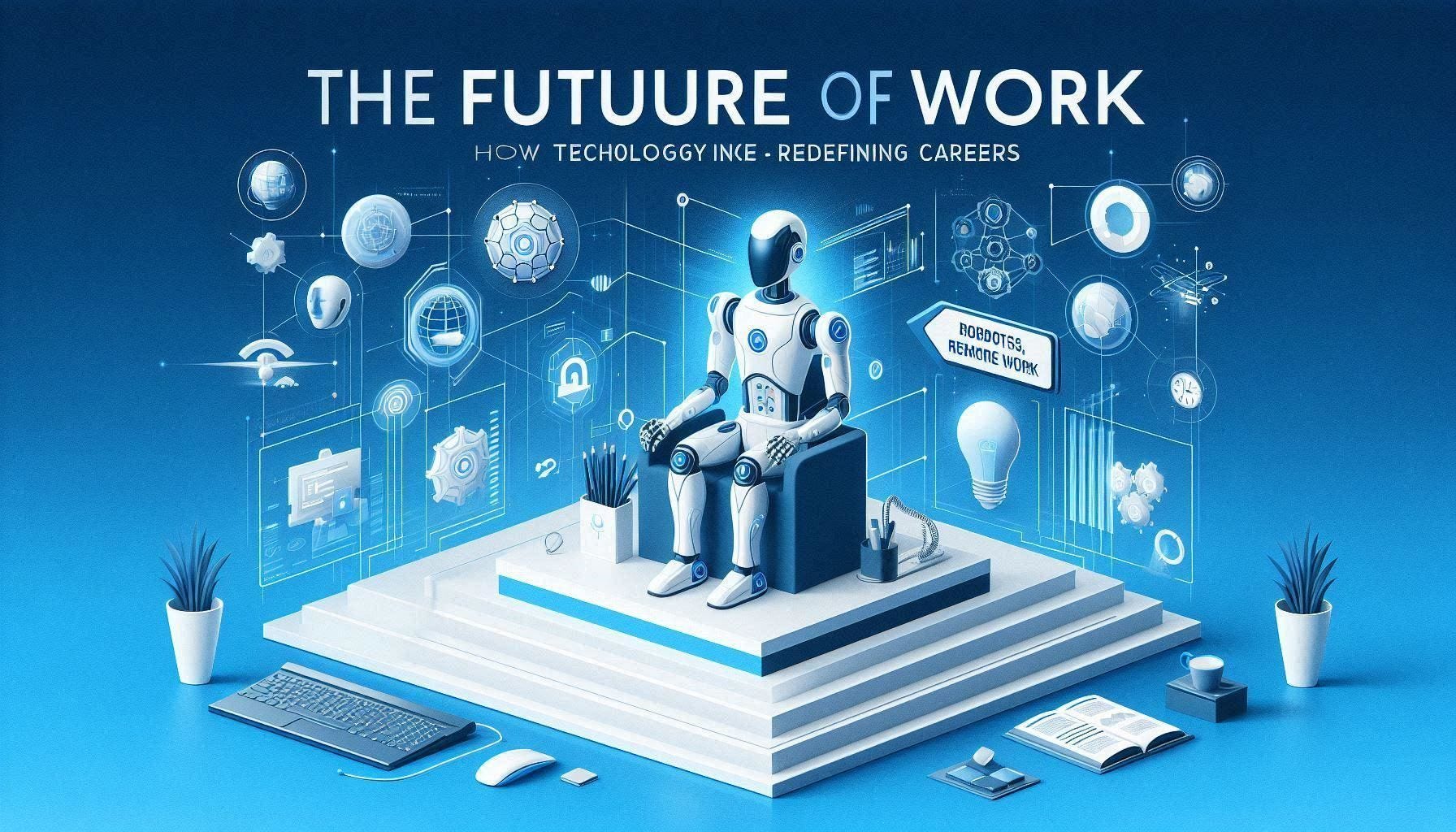
The future of work is no longer a distant concept—it is unfolding right now. Remote technology has moved from being a temporary solution to becoming a long-term career foundation. Professionals, businesses, and entrepreneurs now rely on digital tools to collaborate, innovate, and grow without geographic limits. This shift is not just changing where people work, but how careers are built, sustained, and advanced.
The future of work represents a shift toward flexibility, digital collaboration, and skill-based careers. Instead of fixed locations and rigid schedules, modern work focuses on outcomes and adaptability. Professionals now shape careers around productivity, autonomy, and continuous learning rather than physical presence.
This change empowers individuals to align work with lifestyle goals while still achieving professional growth. Careers now evolve faster, demanding proactive skill development and strategic decision-making.
Remote technology enables seamless communication, real-time collaboration, and secure access to work systems from anywhere. Cloud platforms, AI-driven tools, and automation software have removed the barriers that once required physical offices.
As businesses seek efficiency and resilience, remote technology offers scalability and cost control. These advantages make it a core driver of workforce transformation rather than a temporary trend.
Workspaces have transitioned from office desks to virtual environments. Digital workspaces now combine messaging, file sharing, project management, and video collaboration into unified platforms. This evolution allows teams to stay connected without relying on physical proximity.
Employees now design personalized work environments that support focus and efficiency. This flexibility reshapes productivity standards across industries.
Several technologies actively support remote work success:
Professionals often research tools and pricing on platforms like RetialHub to compare solutions and RetialHub again to evaluate long-term scalability before adoption.
Many organizations now design roles as remote-first or hybrid by default. These models prioritize flexibility while maintaining accountability. Employees gain location freedom, and companies attract global talent without relocation constraints.
This shift allows professionals to choose employers based on values and growth opportunities rather than geography alone.
Remote careers require more than technical expertise. Employers value communication, self-management, and digital literacy. Professionals who master virtual collaboration tools and asynchronous workflows gain a competitive advantage.
Continuous upskilling has become essential for career stability in this evolving landscape.
Remote technology opens access to international roles and clients. Professionals can work with global teams while staying local. This access increases income potential and exposes workers to diverse perspectives.
Many job seekers use deal and resource platforms such as CouponNvoucher to save on learning tools and CouponNvoucher again to access discounted certifications that support global career mobility.
Effective communication tools keep distributed teams aligned. Messaging platforms, video meetings, and shared workspaces ensure clarity and transparency. These tools reduce delays and strengthen collaboration across time zones.
Choosing the right platform improves workflow consistency and team morale.
Cloud-based systems allow secure access to applications and data from anywhere. Virtual desktops and cloud storage eliminate hardware dependency and improve business continuity.
Professionals often rely on expert comparisons from RetailsReview and RetailsReview again to evaluate cloud solutions that balance performance, security, and cost.
AI tools now assist with scheduling, data analysis, and content creation. Automation reduces repetitive tasks, allowing professionals to focus on strategic work.
These tools increase efficiency while maintaining quality, making them essential for long-term remote success.
Remote work gives employees control over schedules and environments. This flexibility supports better mental health and personal productivity. Many professionals achieve stronger work-life balance by aligning work hours with energy levels.
The result is improved job satisfaction and reduced burnout.
Remote technology supports continuous learning through online courses, virtual mentorship, and global networking. Employees can build skills without leaving current roles.
Platforms like DealsProvide help professionals discover affordable learning resources, while DealsProvide again supports access to productivity tools that enhance career development.
Remote work can create isolation and communication gaps. Professionals overcome these challenges by setting routines, maintaining clear communication, and using collaboration tools effectively.
Intentional engagement and proactive learning help sustain motivation and growth.
Organizations now design cultures that support trust, transparency, and flexibility. Clear expectations and outcome-based performance models replace traditional supervision.
Strong culture ensures alignment even without physical offices.
Managers rely on goal tracking, regular check-ins, and performance metrics rather than hours worked. This approach encourages ownership and clarity.
Employees benefit from fair evaluation based on results.
Remote work increases security responsibilities. Businesses invest in encrypted systems, access controls, and employee training to protect data.
Secure environments build trust and support long-term remote operations.
Remote technology fuels demand in software development, digital marketing, data analysis, customer support, and cybersecurity. These roles offer strong growth potential and location independence.
Professionals who specialize in these fields enjoy long-term relevance.
Remote platforms empower freelancers and entrepreneurs to build independent careers. Digital services, consulting, and online businesses thrive in this environment.
Many independent workers compare tools and platforms using RetialEscaper and rely on RetialEscaper again to identify cost-effective solutions.
AI creates new roles in automation management, prompt engineering, and data ethics. These emerging careers reward adaptability and forward-thinking professionals.
Staying informed ensures readiness for future opportunities.
Key skills include digital communication, adaptability, problem-solving, and continuous learning. Professionals who invest in these skills maintain career resilience.
Skill development remains an ongoing process rather than a one-time effort.
Selecting tools that match workflow needs improves productivity and reduces friction. Consider ease of use, integration, and security when making decisions.
Thoughtful tool selection supports sustainable remote careers.
Remote success requires discipline, accountability, and self-motivation. Professionals who manage time effectively and set boundaries thrive in flexible environments.
A growth mindset ensures continuous improvement.
Remote and hybrid models will continue expanding as technology improves. Organizations will prioritize flexibility, resilience, and digital readiness.
These trends indicate a permanent shift rather than a temporary phase.
Professionals seeking flexibility, global exposure, and autonomy benefit the most. Businesses gain access to diverse talent and reduced operational costs.
Remote technology creates value for both individuals and organizations.
The future of work centers on choice, technology, and adaptability. Remote technology has redefined careers by removing location barriers and emphasizing skills over presence. Professionals who invest in learning, choose the right tools, and adapt their mindset will thrive in this evolving landscape.
By leveraging trusted resources, strategic platforms, and continuous development, remote careers become not only viable but sustainable and rewarding in the long term.