The Origins of the Chanel Brand (Channel 2026)
Gabrielle “Coco” Chanel didn’t just design clothes. She pushed a new idea of freedom through fashion, and that mindset still shapes Channel 2026 conversations today. She built a look that favored comfort, movement, and confidence over decoration for decoration’s sake. She also understood image early, and she treated style as identity, not costume. That foundation explains why Chanel still feels consistent, even when trends shift around it.
Coco Chanel challenged restrictive silhouettes and heavy ornamentation. She made simplicity look expensive, which sounds easy but rarely works without sharp taste and discipline. This is where Channel 2026 readers can learn something practical: luxury often comes from editing, not adding. Chanel’s early success came from making clothes that worked for real life while still looking refined. That mix of practicality and polish became a signature.
Chanel didn’t rely on one product to create legend, but a few early moves changed everything. The brand’s design language leaned on clean lines, wearable shapes, and recognizable details that didn’t scream for attention. The house also entered fragrance in a way that matched its modern attitude. In 1921, Chanel introduced N°5, created with perfumer Ernest Beaux, and the brand quickly tied scent to status and style . That decision still matters in Channel 2026, because fragrance remains a key entry point into Chanel.
Chanel scaled its influence by moving beyond runway pieces into categories people could buy more often. Chanel N°5 launched in 1921 and became a blueprint for how a fashion house can build cultural memory through product and storytelling . Beauty and fragrance gave Chanel daily visibility, not seasonal visibility. That everyday presence helps Chanel stay “top of mind,” even for people who never buy couture. For Channel 2026 audiences, this shows how smart category expansion can protect a brand during trend cycles.
Chanel needed a modern reset in the late 20th century, and Karl Lagerfeld delivered it with relentless consistency. He didn’t erase the codes; he amplified them and made them feel current. He built an engine that could reinterpret tweed, pearls, camellias, quilting, and the double-C identity in fresh ways. Lagerfeld also understood media and spectacle, and he used shows to turn fashion into global news. In Channel 2026 terms, he proved that brand heritage becomes an advantage only when a creative team knows how to translate it.
Chanel’s recent era shows a big truth about luxury: strong brands survive leadership changes because the codes stay clear. In December 2024, Chanel appointed Matthieu Blazy as artistic director for its fashion activities, ending months of speculation . That move signaled a focus on craftsmanship and design credibility, which matters for Channel 2026 readers who watch the luxury market closely. At the same time, Chanel keeps refreshing “iconic” without losing its look, including new-season bag variations that still feel unmistakably Chanel .
Chanel uses controlled access to protect its prestige. The brand sets high prices and supports them with design consistency, strong retail control, and limited discounting behavior. Chanel also benefits from private ownership, which lets it prioritize brand equity over short-term public market pressure. Industry reporting continues to describe Chanel as owned by Alain and Gérard Wertheimer . For Channel 2026, the lesson stays simple: when a brand sells identity, it must protect the identity at every touchpoint.
Discounting trains customers to wait, and Chanel avoids that trap. The house prefers price integrity because it signals confidence and keeps resale values healthier. Chanel also reduces the “race to the bottom” that can weaken a luxury label over time. If you track Channel 2026 buying behavior, you’ll notice people often justify Chanel purchases as long-term value, not impulse. That logic breaks when a brand discounts heavily.
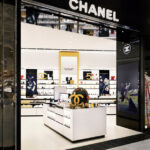
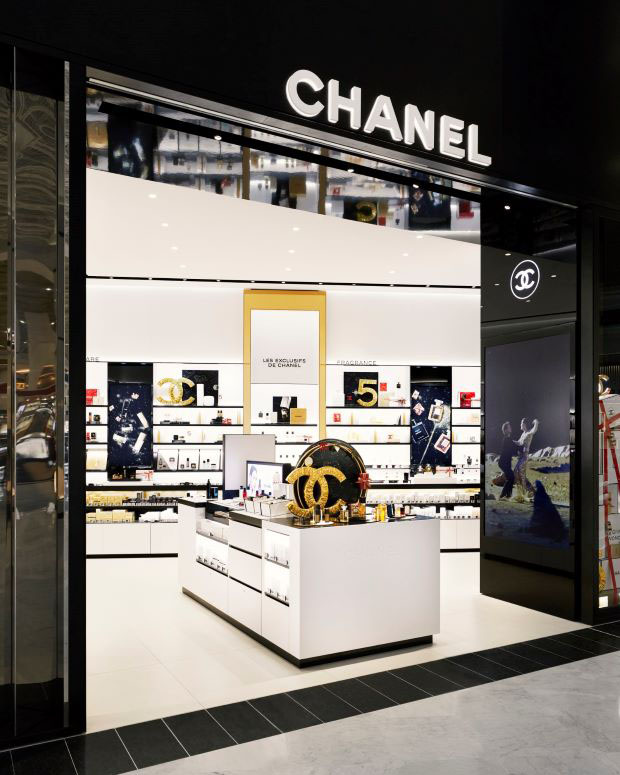
Chanel controls where and how it sells, and that control supports trust. The boutique experience does more than display products; it reinforces the brand story through service, setting, and consistency. Chanel’s distribution model also reduces counterfeit exposure compared to brands that flood third-party channels. For Channel 2026 shoppers, this matters because authenticity and after-sales support often come only through approved routes. If you research pricing or availability, use comparison sources carefully, and keep your checks consistent across regions.
Chanel No. 5 changed how people think about fragrance because it didn’t try to mimic a single flower. Chanel launched it in 1921 with Ernest Beaux, and the house positioned it as modern, confident, and unmistakable . The bottle’s minimal design also reinforced the brand’s preference for clean visual identity. In Channel 2026, No. 5 still works because it carries history, recognition, and a clear point of view. It also offers a realistic way for new buyers to step into the Chanel universe without starting with handbags.
The Chanel 2.55 story shows how function can become luxury. Coco Chanel created the 2.55 shoulder bag and named it after February 1955 . The chain strap freed women’s hands, and the quilted leather and signature structure made it instantly recognizable. In Channel 2026, this matters because the brand still sells “freedom + elegance” as a package. Chanel also keeps modernizing silhouettes, including newer flap styles that trend in seasonal collections while staying within the brand codes .
Couture builds authority even when most customers never buy it. Chanel uses couture to prove technique, materials, and design discipline. Ready-to-wear then carries that prestige into a more accessible product line. For Channel 2026 readers, the key point is how Chanel uses runway work as a brand pillar, not a direct sales driver. The shows strengthen the “why” behind the pricing across categories.
Chanel uses ambassadors to shape perception, but it rarely lets celebrities overshadow the brand. The goal stays consistent: associate Chanel with taste, confidence, and cultural relevance. This strategy matters in Channel 2026 because social media compresses attention spans, and luxury brands must signal status in seconds. The right ambassador can bridge generations, markets, and product categories. Still, the brand needs discipline so the message doesn’t feel random.
Chanel treats shows like cultural moments, not simple presentations. The set design, guest list, and narrative framing all push the idea that Chanel sits above everyday fashion. This approach keeps the brand in global headlines and helps maintain desirability. In Channel 2026, this also helps Chanel compete with fast-moving digital brands that chase micro-trends. Chanel doesn’t chase; it stages.
Chanel’s digital approach balances reach with restraint. It uses online channels to tell stories and highlight craftsmanship, while protecting scarcity and boutique value. For Channel 2026 buyers, digital content often acts as the research layer before a store visit. This is also where smart “pre-purchase education” matters. If you compare product details online, you can use tools like RetailsReview to validate specs and spot inconsistencies, then confirm final details through official channels. (RetailsReview)
Chanel’s history includes controversy, and serious readers should acknowledge it rather than gloss over it. WWII-era criticism continues to appear in biographies and historical discussions, and it shapes how some people view the founder. For Channel 2026 content, handle this section with balance: stick to verifiable facts, avoid rumor-driven narratives, and separate the founder’s personal history from the brand’s modern operations. Readers trust you more when you face uncomfortable context with clarity.
Chanel competes with giants that invest heavily in marketing, retail expansion, and product drops. The pressure increases because younger buyers expect transparency, speed, and strong resale logic. Chanel responds by leaning into its codes and improving product storytelling rather than copying streetwear cycles. In Channel 2026, buyers often compare Chanel against Hermès, Louis Vuitton, Dior, and others based on availability, craftsmanship, and long-term value. Smart comparison helps, but you should compare like-for-like categories.
Luxury customers now ask harder questions about sourcing, materials, and waste. Chanel faces the same pressure because premium pricing invites premium expectations. Chanel has room to keep improving transparency and supply-chain storytelling, and customers increasingly reward brands that communicate clearly. In Channel 2026, this affects purchase decisions, especially for leather goods and packaging-heavy categories. If you care about responsible buying, look for official sustainability statements, third-party reporting, and measurable progress rather than vague claims.
Chanel wins because it sells meaning, not just materials. The brand built a story around independence, modern femininity, and restrained elegance. Chanel also protects key origin myths, like the revolutionary impact of N°5 in 1921 and the function-led creation of the 2.55 in February 1955 . In Channel 2026, this storytelling gives buyers a reason to choose Chanel over trend-driven alternatives. When the narrative stays coherent, products feel like chapters in a larger legacy.
Chanel keeps its visual codes tight: quilting, chain straps, tweed, monochrome elegance, and recognizable hardware language. This consistency makes Chanel easy to identify from across a room, which helps it hold cultural power. It also supports resale interest because the designs don’t “expire” quickly. In Channel 2026, people often buy Chanel because they want something that won’t look dated next year. Consistency makes that promise feel real.
Chanel doesn’t need radical reinvention every season. It needs careful evolution, and it usually delivers that through updated proportions, new materials, and modern styling that still respects the codes. Leadership choices matter here, and Chanel’s appointment of Matthieu Blazy signals ongoing focus on design credibility and craftsmanship . You can also see innovation in new bag interpretations that fit 2026 trend conversations while staying recognizably Chanel . If you shop smart in Channel 2026, you can look for pieces that feel current but still sit firmly inside the classic Chanel language.
Chanel’s success comes from discipline. The brand builds luxury through controlled distribution, consistent design codes, and storytelling that connects products to identity. It also keeps its prestige intact through pricing power and scarcity, supported by private ownership that prioritizes long-term brand equity . Chanel didn’t become iconic by chasing every trend, and that same approach still guides Channel 2026 buyers who want lasting value.
If you want to make a confident decision in Channel 2026, keep it practical: buy from official channels when possible, verify details when you compare listings, and prioritize classic codes over short-lived hype. Tools and communities like CouponNvoucher and DealsProvide can help you spot promotions or regional price chatter, while RetialEscaper and RetialHub can support broader deal research, but always confirm authenticity and after-sales support through trusted sources. (CouponNvoucher) (DealsProvide) (RetialEscaper) (RetialHub) (CouponNvoucher) (DealsProvide) (RetialEscaper) (RetialHub)
In the end, the real story behind Chanel’s timeless luxury and global power in Channel 2026 comes down to one thing: the brand protects its identity at every level, and the world keeps rewarding that clarity.
Top of Form
Bottom of Form