Apple’s innovation cycle keeps users guessing, and the iPhone 18 already sparks serious curiosity. While Apple has not officially confirmed details, industry patterns, supply chain insights, and technology trends allow us to predict what the iPhone 18 could bring.
If you’re planning your next upgrade or simply tracking future tech, this guide breaks everything down clearly so you can decide whether waiting makes sense.
Apple follows a consistent launch pattern, which helps predict future releases with reasonable accuracy.
Apple typically unveils new iPhones in September. If the pattern continues, the iPhone 18 will likely launch in September 2026. Apple rarely shifts this timeline unless facing major production disruptions.
Based on previous release cycles, you can expect:
For upgrade planning, late Q3 2026 is the safest estimate.
Apple usually:
If Apple maintains this structure, consumers should prepare for pre-orders around mid-September 2026. Early orders matter, especially for Pro models, which often sell out quickly.
Apple values consistency. However, growing competition in AI-powered smartphones could push Apple toward a slightly earlier reveal to stay ahead. At the moment, no strong indication suggests a change, so September remains the most realistic expectation.
Apple refines design gradually, but every few generations introduce noticeable shifts.
Rumors about a fully portless iPhone continue circulating. Since Apple already transitioned to USB-C, the next step could be complete reliance on MagSafe and wireless charging.
A portless design would:
However, regulatory factors may delay this move.
Apple continues pushing toward a seamless display. The iPhone 18 could feature:
This change would enhance immersion, especially for gaming and streaming.
Titanium became standard in Pro models. Apple may:
Durability remains a top priority for premium positioning.
While Apple experiments with foldable prototypes, analysts believe foldable models may launch separately rather than replacing the main lineup. A modular iPhone 18 seems unlikely, as Apple favors sealed, integrated systems.
Display innovation remains one of Apple’s strongest areas.
The iPhone 18 Pro models could push refresh rates beyond 120Hz for smoother animations and gaming responsiveness. Adaptive refresh rates may become more power-efficient.
Apple invests heavily in MicroLED technology. If production scales successfully, the iPhone 18 Pro could feature:
If not, enhanced OLED panels will continue delivering premium quality.
Expect:
These upgrades would enhance everyday use without draining battery life.
Camera upgrades often drive upgrade decisions.
Competitors already use 200MP sensors. Apple may adopt a higher-resolution sensor while maintaining strong image processing. Apple focuses more on computational photography than raw megapixels.
Periscope lenses may expand optical zoom capabilities to 10x or beyond. This upgrade benefits:
Zoom performance continues to evolve with AI stabilization.
AI integration could bring:
AI photography may become a key marketing focus.
If Apple introduces a higher-resolution sensor, 8K recording becomes likely. This would appeal to content creators and professionals.
Performance upgrades define Apple’s yearly leap.
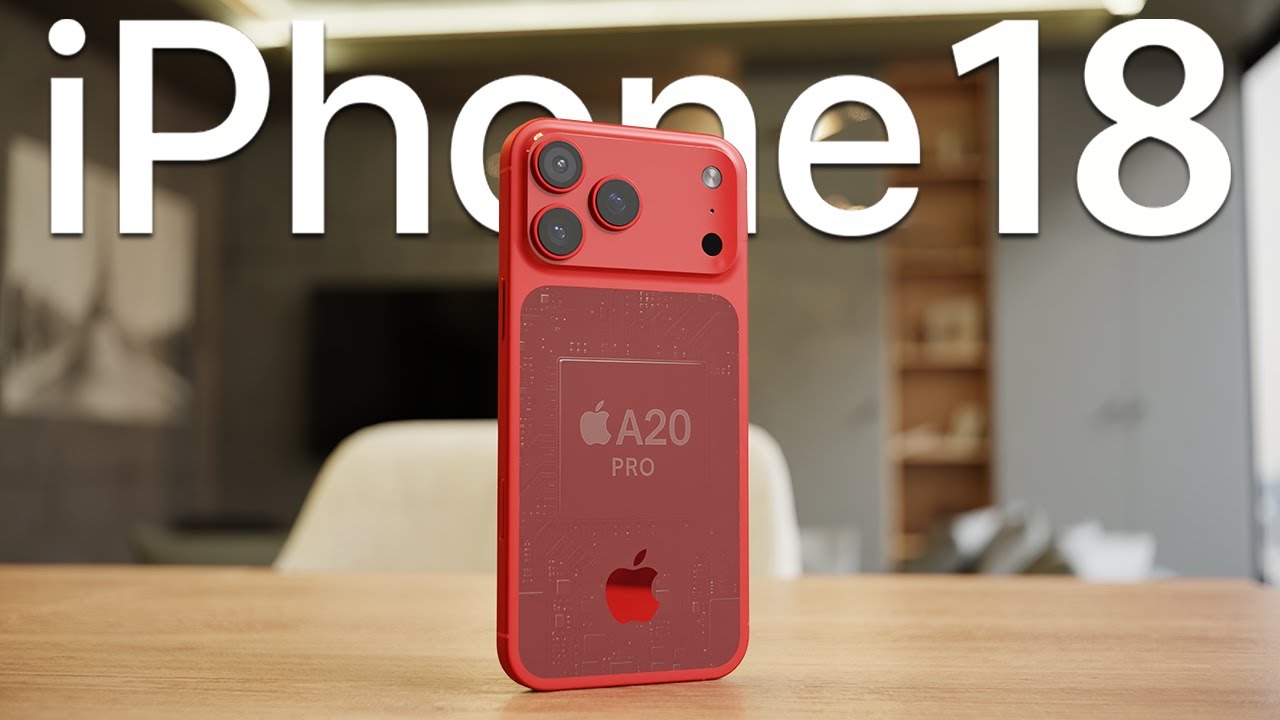
The iPhone 18 may feature the A20 chip built on advanced 2nm process technology. This shift would improve:
Expect noticeable performance gains in gaming and multitasking.
AI processing may become central to the iPhone 18 experience. Enhanced Neural Engine support could power:
Apple continues prioritizing privacy-focused AI.
Pro models may move to:
This ensures smooth performance under heavy workloads.
Battery life influences real-world satisfaction more than raw specs.
Efficiency gains from the A20 chip may allow:
Battery life could see a meaningful jump compared to previous generations.
Expect improvements in:
Fast and stable charging will remain a core upgrade area.
Reverse charging may allow users to charge:
Apple may finally introduce this feature to match competitors.
Hardware matters, but software drives experience.
The iPhone 18 will likely debut with iOS 20. Expect:
Software exclusives often differentiate newer models.
AI could assist with:
Apple focuses on on-device intelligence to strengthen privacy.
Apple may enhance:
Privacy remains a competitive advantage.
Pricing shapes upgrade decisions.
Apple tends to maintain base pricing unless component costs rise sharply. The iPhone 18 base model could start near previous flagship price ranges.
Premium materials and advanced camera systems may increase Pro pricing slightly. However, Apple avoids drastic jumps to stay competitive.
Incremental increases remain possible due to:
To maximize savings when purchasing future models, consumers often check platforms like CouponNvoucher and RetialHub for early deals and bundle offers. Smart shoppers also monitor DealsProvide for promotional discounts around launch season.
This depends on your current device and usage needs.
Consider waiting if you:
The iPhone 18 may deliver a more noticeable upgrade cycle.
If the iPhone 17 introduces only incremental improvements, waiting one more year could bring:
Tracking deals via RetialEscaper and RetialsReview can also help you compare pricing trends before making a decision. Platforms like CouponNvoucher and RetialHub frequently highlight seasonal offers, while DealsProvide sometimes lists early adopter promotions.
The iPhone 18 stands poised to deliver meaningful advancements in AI integration, camera technology, display innovation, and performance efficiency. While many details remain speculative, industry patterns suggest Apple will focus heavily on artificial intelligence, battery optimization, and immersive design.
If you value stability and incremental improvements, upgrading sooner may work. However, if you prefer transformative features and long-term value, waiting for the iPhone 18 could make more sense.
As always, weigh your current device performance, budget, and usage needs before deciding. Technology evolves quickly, but smart timing ensures you get the most value from your investment.