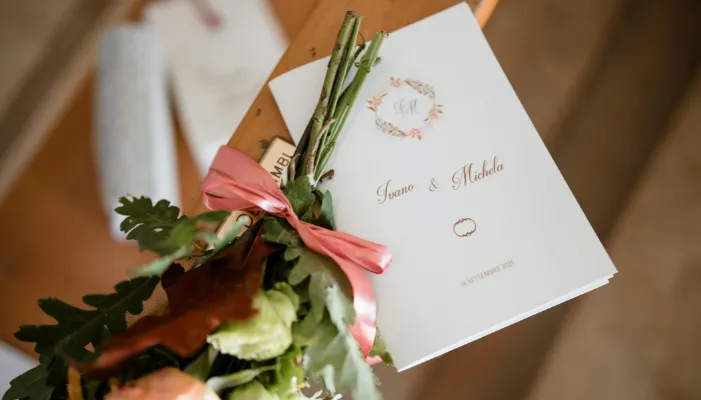
An old fashioned invitation enclosure carries a sense of grace that modern digital invites simply cannot replicate. These enclosures, often tucked neatly inside a formal envelope, set the tone before the invitation is even read. Traditionally, they included response cards, reception details, or handwritten notes, all designed to guide the guest with elegance. What makes an enclosure on letter so appealing is its ability to communicate care, effort, and respect for tradition. In an age of instant messages, this deliberate form of communication feels personal and meaningful, which is why many couples and hosts still choose it for weddings, anniversaries, and formal gatherings.
An enclosure on letter is more than an extra piece of paper; it is a functional extension of the main invitation. Historically, enclosures clarified details such as directions, dress codes, or RSVP instructions without cluttering the primary card. This practice remains relevant today, especially for multi-event celebrations. Even puzzles like a short enclosure crossword often reference these small but important inserts, highlighting how familiar the concept is in everyday language. By separating information into enclosures, hosts ensure clarity while maintaining a refined presentation that reflects thoughtful planning.
The beauty of an old fashioned invitation enclosure lies in its materials. Cotton paper, vellum overlays, and deckled edges evoke a timeless feel that modern cardstock struggles to match. Subtle textures and neutral tones allow typography and wording to shine. Calligraphy or serif fonts are commonly used to reinforce a classic aesthetic. While trends evolve, these traditional design choices endure because they appeal to a shared sense of nostalgia. Much like classic books or heirloom jewelry, the tactile quality of a well-crafted enclosure creates an emotional connection that guests remember long after the event.
Old-fashioned enclosures are deeply rooted in etiquette, and those rules still serve a purpose. They guide guests gently, without overwhelming them. For example, a reception card enclosed separately avoids awkwardness and keeps the main invitation uncluttered. Interestingly, modern culture still values clear guidance, even in unexpected places. In gaming communities, people frequently ask unrelated questions such as “how old is Skye in Fortnite,” showing that audiences crave contextual information wherever they are. Similarly, invitation enclosures provide context, answering questions before they are asked, which enhances the guest experience.
While traditional in spirit, old fashioned invitation enclosures can coexist with contemporary themes. Hosts today may include website details or travel information while preserving a vintage layout. This balance mirrors how classic concepts appear in modern pop culture. Just as unexpected terms like Fortnite small fry have become widely recognized despite their playful origins, traditional enclosures remain relevant by adapting subtly. The key is intention: maintaining formal language and elegant presentation while addressing modern needs ensures the enclosure feels timeless rather than outdated.
Many people wonder whether old fashioned invitation enclosures are still necessary, and the answer depends on the event. For formal occasions, they remain a mark of courtesy and organization. Another common question involves how many enclosures to include; traditionally, only essential information is enclosed to avoid overwhelming the recipient. Some also ask if enclosures are appropriate for casual events, and while not required, they can elevate even simple gatherings. By understanding their purpose and history, hosts can confidently use enclosures to add refinement, clarity, and a lasting impression to their invitations.